

shell
benducket3211@gmail.com
Are Vehicle Air Intake Kits & Components Essential for Better Engine Performance? (5 อ่าน)
18 พ.ค. 2569 01:37
Vehicle air intake kits & components play a major role in improving engine efficiency, airflow, and overall driving performance. Modern automotive engines depend heavily on a balanced air-to-fuel ratio, and a high-quality air intake system helps deliver cleaner and cooler air into the combustion chamber. This process directly affects horsepower, torque, acceleration, and fuel economy.
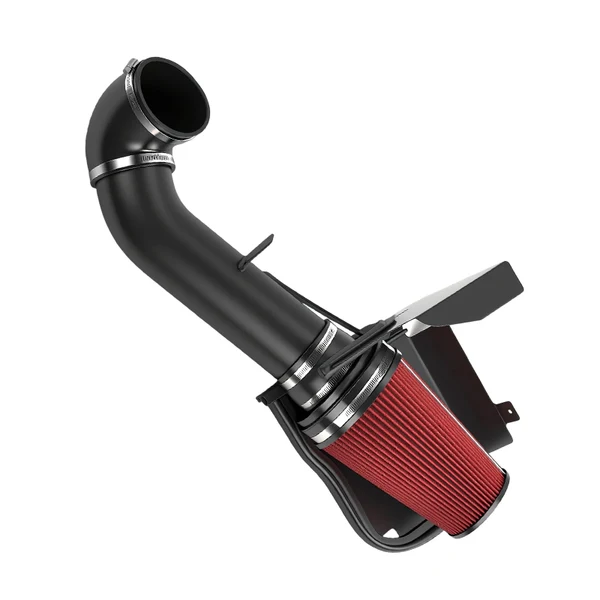
Many factory-installed intake systems are designed primarily for noise reduction and cost efficiency rather than maximum airflow. Performance air intake kits are engineered to remove airflow restrictions and allow the engine to breathe more freely. As a result, vehicles often experience improved throttle response and smoother power delivery.
Cold air intake systems are among the most popular upgrades in the automotive aftermarket industry. These systems relocate the air filter to an area where cooler outside air is available. Cooler air contains higher oxygen density, which supports stronger combustion and increased engine output. Vehicle owners looking for enhanced performance commonly install aftermarket intake kits to achieve noticeable gains in responsiveness and engine sound.
Another advantage of vehicle air intake kits & components is improved fuel efficiency under certain driving conditions. When the engine receives a more consistent and unrestricted airflow supply, combustion becomes more efficient. This can help reduce engine strain and improve mileage, especially during highway driving and steady-speed conditions.
Modern intake systems also contribute to the visual appeal of the engine bay. Many performance intake kits feature polished aluminum tubing, stainless steel components, or carbon fiber designs that enhance both durability and aesthetics. Automotive enthusiasts often consider these upgrades valuable because they combine performance improvements with an aggressive appearance.
Vehicle Air Intake Kits & Components Construction Features
Vehicle air intake kits & components consist of several interconnected parts designed to optimize airflow into the engine. These include intake pipes, performance air filters, heat shields, silicone couplers, clamps, airflow sensors, and resonators. Each component plays an important role in maintaining stable airflow and protecting the engine from contaminants.
Performance air filters are one of the most important elements of an upgraded intake system. Unlike standard paper filters, reusable cotton gauze or foam filters provide greater airflow capacity while still trapping dust and debris. These filters are designed for long-term use and can often be cleaned and reused multiple times, making them a cost-effective solution for vehicle owners.
Intake tubing materials also influence system efficiency. Aluminum intake pipes are lightweight and resistant to corrosion, while stainless steel offers excellent durability and heat resistance. Carbon fiber intake systems are commonly used in high-performance vehicles because they reduce heat absorption and maintain cooler intake temperatures.
Heat shields are another valuable component in vehicle air intake kits. Their purpose is to isolate the intake system from engine bay heat, ensuring that cooler outside air reaches the engine. Since high intake temperatures can reduce combustion efficiency, heat management becomes essential for maintaining stable engine performance.
In turbocharged and supercharged engines, upgraded intake components become even more important. High-performance forced induction systems require larger airflow volumes, and restrictive factory intakes can limit power potential. Performance intake kits support increased airflow demands and help maintain consistent boost pressure for smoother acceleration and improved engine efficiency.
Vehicle Air Intake Kits & Components in Modern Automotive Applications
Vehicle air intake kits & components are widely used across different automotive sectors, including passenger cars, sports vehicles, off-road trucks, and racing applications. In performance tuning culture, upgrading the intake system is often considered one of the first modifications because it provides a balance between affordability and noticeable performance gains.
Sports cars frequently utilize advanced cold air intake systems to maximize airflow efficiency at high engine speeds. These systems improve engine breathing and help maintain consistent power delivery during aggressive driving conditions. Automotive manufacturers and aftermarket brands continue to develop intake solutions tailored to modern turbocharged engines and fuel injection technologies.
Off-road vehicles also benefit from upgraded air intake systems. In dusty or challenging environments, high-quality intake filters provide better protection against contaminants while maintaining strong airflow. Some intake systems are specifically engineered for water resistance and harsh terrain applications, ensuring reliable engine operation in extreme conditions.
In commercial and utility vehicles, efficient air intake systems contribute to better engine longevity and reduced maintenance costs. Clean airflow reduces the risk of carbon buildup and improves combustion quality, helping engines operate more smoothly over long periods. Fleet operators often recognize the value of durable intake components in maintaining reliable vehicle performance.
The growing popularity of automotive customization has also increased demand for vehicle air intake kits & components. Drivers seek upgrades that improve engine sound, acceleration, and visual styling while maintaining compatibility with modern engine management systems. Many advanced intake kits are now designed using computer-aided engineering to ensure optimized airflow dynamics and easy installation.
Conclusion Vehicle Air Intake Kits & Components Final Overview
vehicle air intake kits & components continue to be one of the most effective upgrades for enhancing engine airflow, efficiency, and overall driving performance. By delivering cleaner and cooler air into the engine, these systems support stronger combustion, improved throttle response, and increased horsepower potential.
Their importance extends beyond performance alone. Modern intake systems also contribute to fuel efficiency, engine protection, and long-term durability. Whether installed in sports cars, daily-driven vehicles, off-road trucks, or commercial fleets, upgraded intake components provide measurable advantages in both reliability and driving experience.
43.242.177.201
shell
ผู้เยี่ยมชม
benducket3211@gmail.com