


shell
benducket3211@gmail.com
EN 10255 Standard: Why Is It So Important for Steel Tubes in Plumbing, Heating, and Industrial Applications? (131 อ่าน)
19 พ.ค. 2569 00:32
In modern construction, plumbing systems, and industrial engineering, material standards play a vital role in ensuring safety, durability, and performance. One of the most widely recognized specifications in Europe is EN 10255, a standard that defines requirements for non-alloy steel tubes suitable for welding and threading. These steel tubes are commonly used in water supply systems, gas distribution lines, heating installations, and general mechanical applications where reliability is essential.
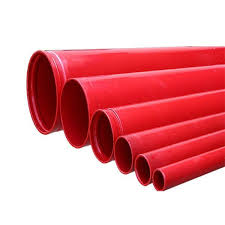
The importance of EN 10255 lies in its ability to ensure uniform quality and compatibility across different piping systems. Engineers, contractors, and manufacturers rely on this standard to guarantee that steel tubes meet strict mechanical and dimensional requirements, making installations safer and more efficient in both residential and industrial environments.
EN 10255 Steel Tube Standard Structure and Technical Requirements in Engineering Systems
The en 10255 standard defines a range of non-alloy steel tubes designed primarily for threading and welding purposes. These tubes are manufactured in different thickness categories, commonly known as light, medium, and heavy series. Each category is designed to handle different levels of pressure and mechanical stress, making them suitable for a wide variety of applications.
A key feature of this standard is its strict dimensional accuracy requirements. Steel tubes produced under EN 10255 must maintain precise outer diameters, consistent wall thickness, and excellent straightness. These specifications ensure seamless compatibility with fittings, couplings, and threaded connections used in piping systems. This level of precision is essential in preventing leakage and maintaining system integrity over time.
Mechanical strength is another critical aspect of the EN 10255 specification. The standard defines minimum requirements for tensile strength, yield strength, and elongation, ensuring that the tubes can withstand internal pressure, external loads, and environmental stress. This makes them suitable for both low-pressure and medium-pressure systems in residential and commercial installations.
Surface condition also plays a significant role in performance. Steel tubes under this standard are available in black steel or galvanized finishes. Galvanized tubes are coated with zinc to provide enhanced corrosion resistance, making them ideal for outdoor installations, humid environments, and long-term infrastructure projects. This protective layer significantly increases the lifespan of piping systems and reduces maintenance requirements.
Manufacturing processes for EN 10255 tubes involve hot forming, welding, and finishing techniques that ensure structural reliability and consistent quality. Welded tubes are produced using advanced welding technology to maintain seam strength and avoid weak points in the structure. This ensures that the tubes can perform reliably under continuous usage in demanding environments.
EN 10255 Applications in Plumbing, Heating, and Industrial Infrastructure Systems
The applications of EN 10255 steel tubes are extensive and cover a wide range of industries. In plumbing systems, these tubes are widely used for water distribution in residential, commercial, and industrial buildings. Their ability to handle moderate pressure and maintain long-term durability makes them a reliable choice for both hot and cold water supply systems.
In heating installations, EN 10255 steel tubes are commonly used in central heating systems, radiator connections, and boiler networks. Their excellent thermal resistance and mechanical strength ensure stable performance even under continuous temperature fluctuations. This makes them a preferred option for heating infrastructure in large buildings, hospitals, and industrial complexes.
Gas distribution systems also rely heavily on EN 10255-compliant tubes. The threaded design and structural reliability of these steel tubes help ensure secure connections, reducing the risk of leakage in natural gas and LPG pipelines. Safety is a top priority in gas systems, and adherence to this standard helps maintain operational security over long service periods.
Industrial applications include compressed air systems, fire protection networks, and mechanical engineering installations. In such environments, piping systems must withstand continuous pressure and mechanical stress without failure. EN 10255 tubes provide the necessary strength and durability to support these demanding operations.
Infrastructure projects such as water treatment plants, irrigation systems, and energy facilities also depend on these steel tubes for efficient fluid transportation. Their standardized design ensures compatibility with international fittings and components, making them suitable for large-scale global projects.
EN 10255 Material Quality, Manufacturing Process, and Performance Standards in Modern Industry
The quality of EN 10255 steel tubes is determined by the raw materials used and the precision of manufacturing processes. These tubes are typically made from non-alloy steel grades that provide an optimal balance of strength, flexibility, and weldability. The chemical composition is carefully controlled to ensure uniform mechanical properties across production batches.
Manufacturers use both hot-rolled and cold-finished techniques to achieve required specifications. Hot forming provides structural strength, while cold finishing enhances surface smoothness and dimensional accuracy. These processes ensure that the tubes meet strict tolerance levels defined by the EN 10255 standard.
Quality control is a fundamental part of production. Each batch of steel tubes undergoes rigorous testing, including hydrostatic pressure tests to verify leak resistance, ultrasonic inspections to detect internal flaws, and dimensional checks to ensure compliance with standard specifications. These tests guarantee that only high-quality tubes are delivered for industrial and construction use.
Corrosion resistance is another important factor in performance. Galvanized EN 10255 tubes are coated with zinc, which protects the steel surface from rust and environmental damage. This makes them particularly suitable for outdoor applications and long-term installations where exposure to moisture is unavoidable.
Compatibility with threaded fittings is one of the key advantages of this standard. EN 10255 tubes are designed to integrate seamlessly with standardized piping systems, reducing installation complexity and improving system reliability. This compatibility ensures faster installation times and lower maintenance costs for engineers and contractors.
Conclusion Importance of EN 10255 Standard in Modern Engineering and Infrastructure Development
The EN 10255 standard plays a crucial role in modern engineering by defining quality, safety, and performance requirements for steel tubes used in plumbing, heating, gas distribution, and industrial systems. Its strict specifications ensure that piping systems remain reliable, durable, and compatible across different applications and environments.
As global infrastructure continues to expand, the need for standardized and high-performance steel tubes becomes increasingly important. EN 10255 provides a trusted framework that supports safe installations, long service life, and efficient system performance across multiple industries.
More Info:https://baolaisteel.com/
43.242.177.57
shell
ผู้เยี่ยมชม
benducket3211@gmail.com
JOHN
gahiro7259@furnato.com
20 มิ.ย. 2569 15:17 #1
<span style="font-family: Arial;">[size= 13.3333px]<span dir="auto" style="vertical-align: inherit;"><span dir="auto" style="vertical-align: inherit;">Homeowners and businesses rely on our [/size]</span><span dir="auto" style="vertical-align: inherit;"><span dir="auto" style="vertical-align: inherit;">plumbing clifton</span></span></span></span><span dir="auto" style="vertical-align: inherit;"><span style="font-family: Arial;">[size= 13.3333px]<span dir="auto" style="vertical-align: inherit;"> team for quick repairs, maintenance, and installations completed with precision and attention to detail. [/size]</span></span></span><span style="font-size: 10pt; font-family: Arial;" data-sheets-root="1"> </span>
182.182.29.206
JOHN
ผู้เยี่ยมชม
gahiro7259@furnato.com
Mehboob Fakhar
technocrates35@gmail.com
23 มิ.ย. 2569 14:25 #2
EN 10255 is a widely recognized steel tube standard that plays a crucial role in ensuring uniform quality, durability, and compatibility across modern piping systems. Its importance lies in providing engineers, contractors, and manufacturers with a reliable benchmark that guarantees steel tubes meet strict mechanical and dimensional requirements. This consistency improves safety, efficiency, and long-term performance in both residential and industrial installations.
From a technical perspective, the EN 10255 steel tube standard structure and requirements in engineering systems define non-alloy steel tubes designed mainly for threading and welding applications. These tubes are available in light, medium, and heavy series, each engineered to handle different pressure levels and mechanical stresses. The standard also enforces strict dimensional accuracy, ensuring precise outer diameters, uniform wall thickness, and excellent straightness. This precision is essential for proper fitting compatibility, leak prevention, and maintaining structural integrity in complex piping networks.
Mechanical strength is another key factor within this standard, as EN 10255 requires minimum values for tensile strength, yield strength, and elongation. This ensures that the tubes can withstand internal pressure, external loads, and environmental stress without failure. Additionally, surface finishing options such as black steel and galvanized coatings provide flexibility for different environments. Galvanized tubes offer enhanced corrosion resistance, making them suitable for outdoor and high-moisture applications where long-term durability is essential.
Manufacturing processes for these tubes involve controlled hot forming, welding, and finishing techniques to ensure consistent quality and structural reliability. Welded seams are reinforced using advanced methods to eliminate weak points, allowing the tubes to perform reliably under continuous operational stress in demanding systems.
For more technical insights and professional piping solutions, you can explore detailed services and industry applications here:https://smartsync.ae/plumbing-services-in-dubai/
182.177.30.214
Mehboob Fakhar
ผู้เยี่ยมชม
technocrates35@gmail.com