

shell
benducket3211@gmail.com
Pipe Supplier: How Do You Choose the Right Partner for Quality, Reliability, and Long-Term Supply? (6 views)
16 May 2026 17:27
The global construction and industrial sector depends heavily on a stable and reliable pipe supplier network that can provide high-quality piping solutions for infrastructure, energy, water systems, and manufacturing industries. From large-scale oil pipelines to residential plumbing systems, the demand for durable and certified pipes continues to grow across international markets.
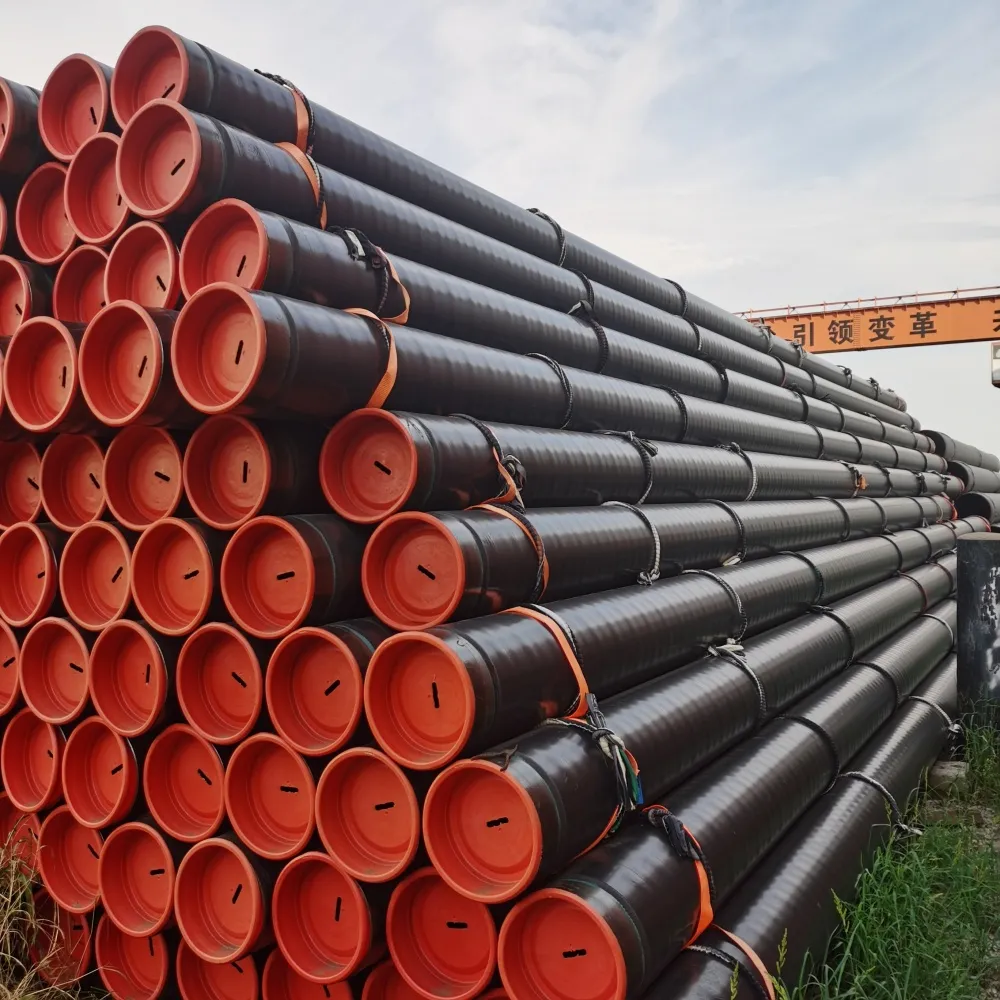
A professional pipe supplier is not just a distributor but an essential link between manufacturers and end users. They ensure that materials meet technical requirements, comply with international standards, and are delivered on time for critical projects. In today’s competitive industrial environment, selecting the right supplier directly impacts project efficiency, safety, and long-term performance.
Countries with strong industrial bases such as China, India, Germany, and Turkey have become major hubs for pipe manufacturing and export. Among these, China stands out due to its large-scale production capacity and cost-effective supply chain, making global sourcing more accessible for contractors and engineering companies.
The growing demand for steel pipes, PVC pipes, copper pipes, and industrial tubing has also increased the importance of specialized suppliers who can handle diverse material requirements. A modern pipe supplier often deals with multiple industries, including construction, oil and gas, chemical processing, agriculture, and water treatment systems.
Industrial Pipe Supplier Standards and Product Quality Expectations
A professional pipe supplier must ensure strict compliance with international quality standards to remain competitive in the global market. Industries today require pipes that meet certifications such as ASTM, API, DIN, and ISO, depending on their application and safety requirements. These standards guarantee that pipes can withstand pressure, corrosion, temperature variations, and mechanical stress.
Steel pipes remain one of the most widely supplied products due to their strength and versatility. Seamless steel pipes are commonly used in high-pressure environments such as oil refineries and gas transmission systems. Welded pipes are widely used in structural and construction applications due to their cost efficiency. Stainless steel pipes are preferred in industries requiring corrosion resistance, such as food processing, pharmaceuticals, and marine engineering.
A reliable pipe supplier also ensures traceability of materials. Mill test certificates, chemical composition reports, and mechanical property documentation are essential for verifying product quality. These certifications allow engineers and procurement teams to confidently select materials for critical infrastructure projects.
In addition to steel, many suppliers also deal in PVC and HDPE pipes, which are widely used in water distribution, irrigation systems, and underground drainage networks. These materials offer flexibility, corrosion resistance, and long service life, making them suitable for municipal and agricultural applications.
The ability to maintain consistent quality across large orders is a defining characteristic of a trusted supplier. Industrial projects often require bulk quantities delivered within strict deadlines, and suppliers with strong production partnerships and logistics networks are better positioned to meet these demands.
Global Pipe Supplier Network and Supply Chain Efficiency
The global supply chain for pipes has evolved significantly, with pipe supplier networks playing a central role in connecting manufacturers with international buyers. Efficient logistics, inventory management, and export expertise are now as important as product quality itself.
Many suppliers operate as integrated trading companies that work closely with manufacturing hubs. For example, large industrial regions in China have developed extensive export systems that allow suppliers to ship products quickly to Europe, the Middle East, Africa, and North America. This global reach has made sourcing pipes more efficient and cost-effective for construction companies and industrial contractors.
A strong pipe supplier also manages complex documentation requirements, including customs clearance, export permits, and shipping certifications. These administrative processes are crucial for ensuring smooth international trade and avoiding delays in project timelines.
In modern supply chains, digital tracking systems and inventory management tools have improved transparency. Buyers can now monitor order status, shipment progress, and delivery schedules in real time. This level of visibility has increased trust between suppliers and clients, especially in large infrastructure projects where timing is critical.
Cost efficiency is another key advantage of working with established suppliers. By sourcing directly from manufacturers and optimizing logistics, suppliers can reduce overall procurement costs without compromising quality. This makes them valuable partners for engineering firms, government projects, and private contractors.
Applications of Pipe Supplier Products Across Industries
The role of a pipe supplier extends across multiple industries, each with unique technical requirements and performance expectations. In the construction industry, pipes are used for structural frameworks, plumbing systems, and underground utilities. Strong and durable materials are essential to ensure long-term safety and stability in buildings and infrastructure projects.
In the oil and gas industry, pipe suppliers provide high-strength steel pipelines capable of transporting crude oil, natural gas, and refined products over long distances. These pipelines must withstand extreme pressure, temperature fluctuations, and corrosive environments, making quality assurance a top priority.
Water management systems also rely heavily on pipe suppliers. Municipal water distribution networks, sewage systems, and irrigation projects depend on durable piping materials that ensure safe and efficient fluid transportation. PVC, HDPE, and galvanized steel pipes are commonly used in these applications due to their resistance to corrosion and environmental wear.
Industrial manufacturing is another major sector where pipe suppliers play a critical role. Pipes are used in machinery, hydraulic systems, chemical processing plants, and power generation facilities. Each application requires specific material properties, such as heat resistance, chemical stability, or mechanical strength.
The agricultural sector also benefits from reliable pipe supply systems. Irrigation pipelines, water transport systems, and drainage networks are essential for improving crop productivity and resource management. Suppliers that offer cost-effective and durable solutions are highly valued in rural development projects.
As industries continue to expand globally, the demand for versatile and dependable pipe suppliers continues to rise. Companies that can provide customized solutions and maintain consistent quality are increasingly preferred in competitive markets.
Conclusion: Future Growth of Pipe Supplier Industry
The global role of a pipe supplier has become more important than ever as industries expand and infrastructure development accelerates worldwide. From construction and energy to agriculture and manufacturing, reliable pipe supply chains are essential for ensuring operational efficiency and safety.
With continuous advancements in manufacturing technology, improved quality standards, and globalized trade networks, suppliers are now able to serve a wider range of industries with greater precision and reliability. Countries like China continue to lead in production and export capacity, strengthening global supply chains and reducing procurement challenges.
43.242.176.119
shell
Guest
benducket3211@gmail.com