

shell
benducket3211@gmail.com
Is Fire Sprinkler Pipe the Most Important Part of a Fire Protection System? (6 views)
16 May 2026 18:56
A fire sprinkler pipe is one of the most essential components of a modern fire protection system. These specially designed pipes are responsible for carrying water throughout a building and delivering it to sprinkler heads during a fire emergency. In commercial buildings, residential complexes, factories, hospitals, warehouses, and shopping centers, fire sprinkler pipe systems are installed to improve safety and reduce fire-related damage.
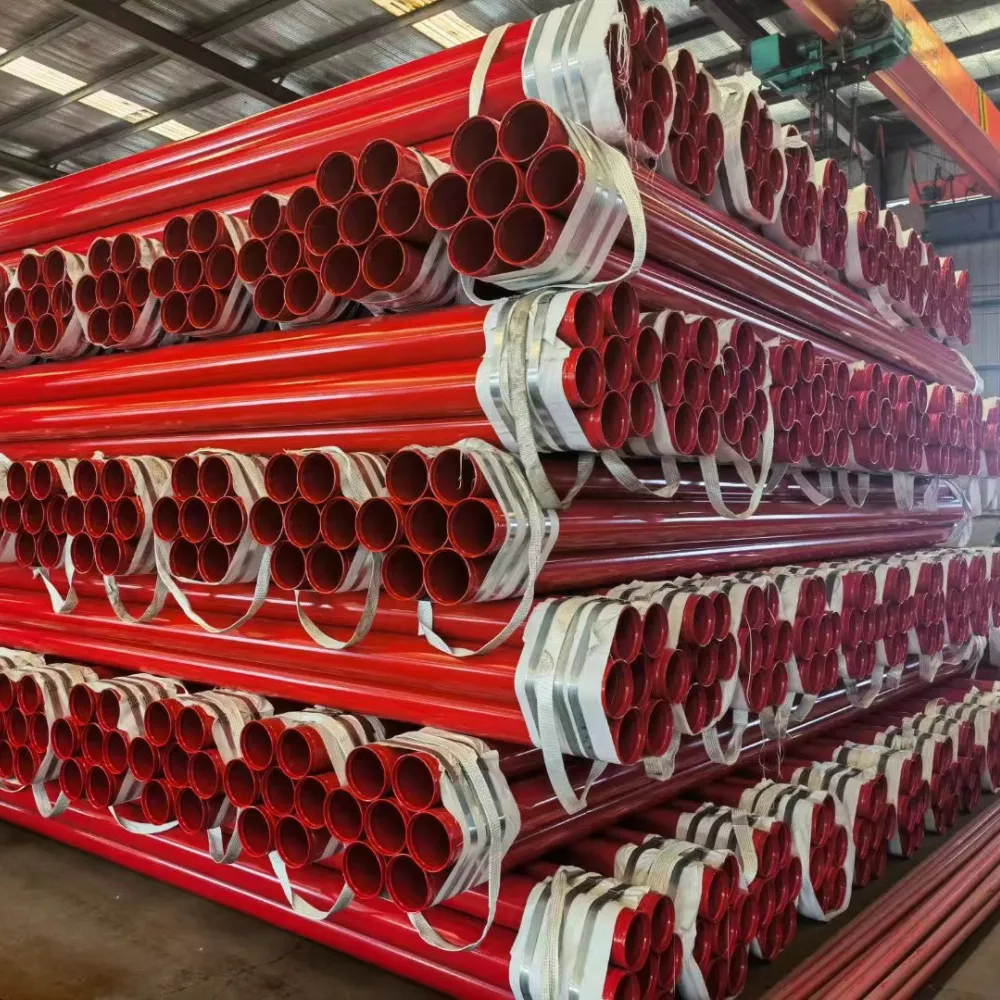
Modern construction projects prioritize fire safety because fire accidents can lead to serious property destruction, financial loss, and risk to human life. A properly installed fire sprinkler piping system provides immediate fire suppression when high temperatures activate the sprinkler heads. This rapid response helps control flames before they spread to larger areas of the building.
Fire sprinkler pipes are manufactured using different materials depending on the application and environmental conditions. Common materials include black steel pipes, galvanized steel pipes, CPVC sprinkler pipes, and stainless steel fire protection pipes. Each material offers unique advantages related to corrosion resistance, durability, water pressure handling, and maintenance requirements.
Steel fire sprinkler pipes are widely used in industrial and commercial fire suppression systems because they are strong and reliable under high pressure. Galvanized sprinkler pipes provide additional resistance against rust and moisture damage, making them suitable for humid environments. CPVC fire sprinkler piping systems have become increasingly popular in residential and light commercial projects because they are lightweight, easy to install, and resistant to corrosion.
The growing demand for fire protection systems has increased the importance of high-quality fire sprinkler pipe manufacturing. Building owners and contractors now focus on durable piping systems that comply with international fire safety standards. Reliable fire suppression infrastructure is no longer considered optional in modern buildings because safety regulations continue to become stricter worldwide.
Fire Sprinkler Pipe System Types
Different fire sprinkler pipe systems are designed for specific fire protection needs and building environments. Wet pipe sprinkler systems are the most commonly used type because the pipes always contain pressurized water. When heat activates a sprinkler head, water is discharged immediately onto the fire. Wet systems are simple, dependable, and widely used in offices, schools, apartments, and hospitals.
Dry pipe sprinkler systems are specifically designed for areas exposed to freezing temperatures. Instead of water, these pipes contain compressed air until the system is activated. Once a sprinkler head opens, the air pressure drops and water flows into the piping system. Dry fire sprinkler pipes are commonly installed in cold storage facilities, parking garages, and unheated warehouses where frozen pipes could become a major problem.
Pre-action fire sprinkler systems are used in environments where accidental water discharge could damage sensitive equipment or valuable items. These systems are commonly installed in data centers, museums, libraries, and server rooms. Deluge sprinkler systems are another important category used in industrial facilities with high fire hazards. In these systems, all sprinkler heads activate simultaneously to control rapidly spreading fires.
The selection of the correct fire sprinkler pipe system depends on multiple factors such as building size, occupancy type, environmental conditions, and fire safety regulations. Fire protection engineers carefully calculate water flow rates, pipe diameter, and system pressure to ensure the sprinkler network performs effectively during emergencies.
Modern fire suppression systems also include advanced technologies such as pressure monitoring sensors, leak detection systems, and automatic control valves. These technologies help maintain efficient sprinkler pipe performance while reducing long-term maintenance costs for building owners.
Fire Sprinkler Pipe Installation and Maintenance
The installation of fire sprinkler pipes requires professional planning and strict compliance with fire safety standards. Certified fire protection contractors design the piping layout according to building specifications and local safety regulations. Proper installation ensures that water can reach every part of the building quickly during a fire emergency.
During installation, fire sprinkler pipe are securely connected, aligned correctly, and pressure tested to verify system reliability. Incorrect pipe installation can lead to water leakage, pressure loss, and reduced sprinkler performance. Because of these risks, professional inspection and testing are essential before the system becomes operational.
Routine maintenance plays a major role in preserving the effectiveness of fire sprinkler piping systems. Over time, corrosion, mineral buildup, and environmental exposure can affect water flow and pipe durability. Regular inspections help identify these issues before they create serious safety concerns.
Fire protection maintenance procedures often include pipe flushing, valve testing, leak inspection, and sprinkler head examination. Building owners are encouraged to schedule regular system evaluations to ensure compliance with fire safety regulations and insurance requirements. A poorly maintained fire sprinkler pipe system may fail during emergencies, putting lives and property at risk.
Technological improvements have significantly enhanced modern fire protection maintenance practices. Smart fire monitoring systems can detect abnormal pressure changes, leaks, and equipment failures in real time. These innovations help building managers maintain reliable sprinkler system performance while minimizing repair expenses.
The cost of installing a fire sprinkler pipe system depends on factors such as building size, pipe material, and system complexity. Although installation costs can be considerable, the long-term benefits are substantial. Effective fire suppression systems reduce property damage, improve occupant safety, and lower potential financial losses caused by fire incidents.
Fire Sprinkler Pipe Benefits for Safety and Protection
Fire sprinkler pipes provide several important benefits that make them an essential part of modern building infrastructure. One of the biggest advantages is rapid fire suppression. Automatic sprinkler systems respond immediately when high temperatures are detected, helping contain fires before they spread throughout the building.
Another important benefit is improved life safety. Fire sprinkler systems help reduce injuries and fatalities by controlling flames, heat, and smoke during emergencies. Occupants have more time to evacuate safely, while firefighters can manage the situation more effectively upon arrival.
Fire sprinkler pipes also help minimize property damage. Because sprinkler systems target the fire directly, they use water efficiently and reduce unnecessary flooding. This focused fire suppression approach limits structural damage and protects valuable equipment, furniture, and inventory.
Businesses benefit financially from reliable fire sprinkler systems as well. Fire incidents can result in operational downtime, expensive repairs, and inventory loss. Properly installed fire protection pipes help businesses recover more quickly and maintain operational continuity after emergencies.
Environmental protection is another important advantage associated with modern fire sprinkler pipe systems. By controlling fires in their early stages, sprinkler systems reduce smoke pollution and prevent large-scale environmental damage caused by uncontrolled fires.
As urban development continues to grow, fire sprinkler pipes will remain an essential part of safe building design. Governments, construction companies, and property owners increasingly recognize the importance of investing in durable fire protection systems that provide long-term safety and reliability.
Conclusion
Fire sprinkler pipe systems are a critical part of modern fire protection infrastructure. These specialized pipes ensure reliable water distribution for sprinkler systems, helping control fires quickly and efficiently during emergencies. From residential apartments and office buildings to warehouses and industrial facilities, fire sprinkler pipes provide essential protection for both people and property.
Different pipe materials and sprinkler system designs offer solutions for various environmental and operational requirements. Proper installation, regular maintenance, and compliance with fire safety standards are necessary to ensure long-term system performance and reliability.
43.242.176.119
shell
Guest
benducket3211@gmail.com