


shell
benducket3211@gmail.com
How Can Exams Prevent the Use of a casca de copiat? (21 views)
24 May 2026 03:14
Examination systems are designed to evaluate a student’s knowledge, understanding, and skills in a fair and standardized way. However, maintaining fairness has become increasingly challenging due to modern cheating methods. One such method often discussed in academic dishonesty is the use of a casca de copiat a concealed communication device that allows students to receive unauthorized assistance during exams.
To protect academic integrity, educational institutions continuously develop strategies to prevent such practices. This article explores how exams can be made more secure and how institutions can reduce or eliminate the risk of cheating through advanced prevention methods, strict supervision, and technology-based solutions.
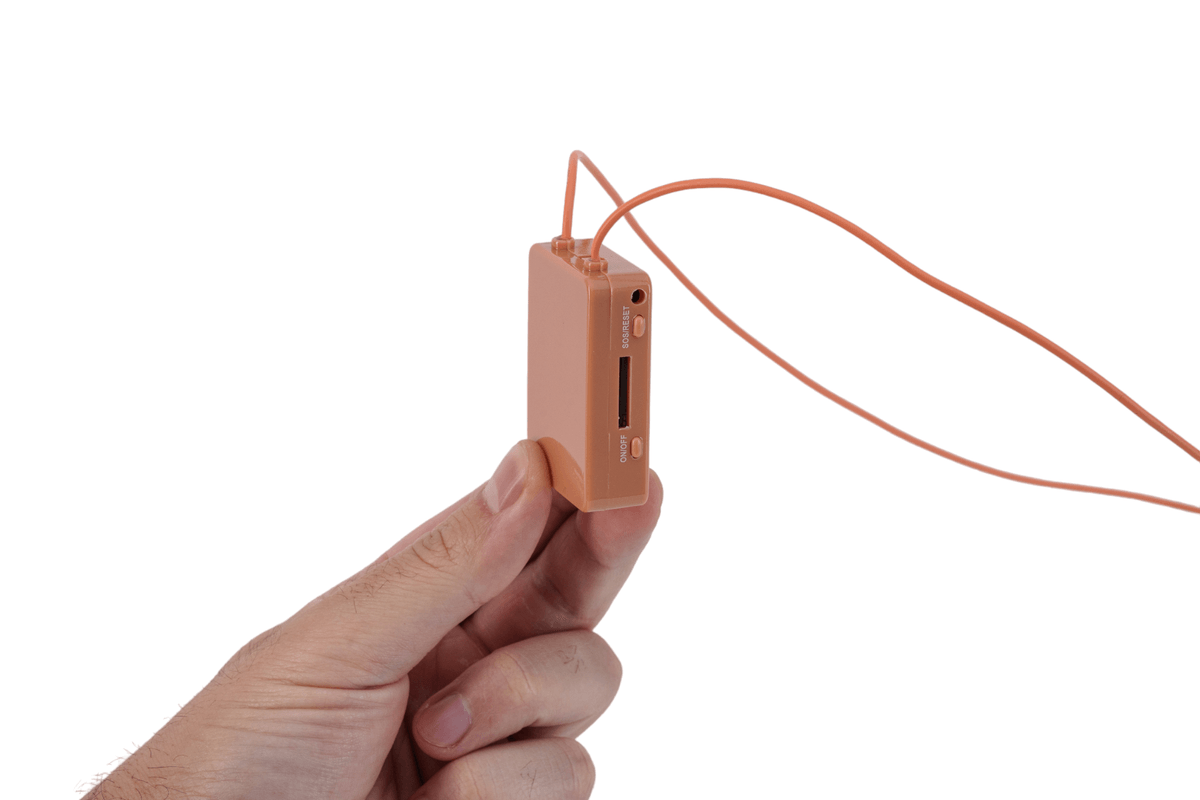
Before discussing prevention, it is important to understand why cheating methods are difficult to control. Modern devices are often small, wireless, and designed to be hidden easily. This makes them harder to detect through traditional inspection methods.
Additionally, exam environments can be stressful and crowded, which makes full monitoring challenging. Students may attempt to take advantage of weak supervision, lack of scanning tools, or poorly organized exam centers.
Because of these challenges, prevention requires a combination of physical security, technology, and behavioral monitoring.
Strengthening physical security measures
One of the most effective ways to prevent cheating devices is to improve physical security before and during the exam.
1. Strict entry checks
All students should undergo thorough checks before entering the exam hall. This may include:
Metal detector screening
Bag inspection
Removal of electronic devices
Verification of identity
These steps reduce the chances of hidden devices entering the examination area.
2. Controlled exam environment
The design of the exam hall also plays an important role. Proper spacing between students helps reduce communication opportunities. Seating arrangements should ensure that candidates cannot easily interact or share information.
In addition, clear visibility for invigilators allows better monitoring of student behavior.
3. Restricting personal items
Allowing only essential materials such as pens, pencils, and identification cards reduces the possibility of hiding unauthorized devices. Strict rules about what can be brought into the exam hall are essential for maintaining control.
Use of advanced technology
Technology plays a major role in modern exam security systems. Institutions are increasingly relying on digital tools to detect and prevent cheating.
1. Signal jammers
Signal jammers block wireless communication in exam centers. This prevents devices from sending or receiving signals, making tools like hidden earpieces ineffective.
However, these systems must be used carefully to avoid interfering with emergency communication networks.
2. Metal detectors and scanning devices
Handheld or walk-through metal detectors can identify hidden electronic devices. Some advanced systems can even detect small transmitters placed inside clothing or accessories.
These tools provide an additional layer of security during entry checks.
3. CCTV surveillance
Installing cameras in exam halls helps monitor student behavior in real time. Surveillance footage can be reviewed if suspicious activity is observed.
Knowing that they are being watched also discourages students from attempting dishonest practices.
4. Artificial intelligence monitoring
Some modern exam systems use AI-based monitoring software to detect unusual behavior patterns. These systems can analyze eye movement, head position, or suspicious communication signals during digital exams.
While not perfect, AI tools add an extra layer of detection.
Role of invigilators and human supervision
Despite technological advancements, human supervision remains one of the most important factors in preventing cheating.
1. Proper training for invigilators
Invigilators must be trained to recognize suspicious behavior, such as:
Unusual body movements
Repeated touching of ears or clothing
Attempts to communicate with nearby students
Nervous or distracted behavior
Well-trained supervisors can identify cheating even without technical tools.
2. Active monitoring during exams
Invigilators should not remain passive. Moving around the exam hall and observing students closely reduces opportunities for cheating.
Random checks during the exam can also discourage dishonest behavior.
3. Multiple supervisors
Having more than one invigilator per room ensures better coverage. This reduces blind spots and improves overall monitoring efficiency.
Exam design improvements
Another effective prevention strategy is changing how exams are designed.
1. Randomized question papers
Using different versions of question papers reduces the chances of students sharing answers. Even if cheating occurs, it becomes less effective.
2. Application-based questions
Instead of simple memorization-based questions, exams can focus on critical thinking and problem-solving. This makes it harder to rely on external help.
3. Time management structure
Shorter time limits for sections can reduce the opportunity to communicate with external sources. However, this must be balanced carefully to avoid unnecessary pressure on students.
Promoting academic integrity
Prevention is not only about physical and technological measures. It also involves shaping student behavior and values.
1. Awareness programs
Educational institutions should regularly inform students about the consequences of cheating. Awareness campaigns can highlight academic penalties, career risks, and ethical concerns.
2. Encouraging honesty culture
Creating a culture of honesty helps reduce the desire to cheat. When students value integrity, they are less likely to engage in dishonest practices.
3. Support systems for students
Sometimes students cheat due to pressure or lack of preparation. Providing tutoring, counseling, and academic support can reduce the need for shortcuts.
Strict consequences for cheating
Clear and consistent punishment is a strong deterrent against cheating.
1. Immediate disqualification
Students caught using unauthorized devices should be disqualified from the exam immediately.
2. Academic record penalties
Institutions may record cheating incidents in academic files, which can affect future opportunities.
3. Suspension or expulsion
In severe cases, students may face suspension or permanent removal from academic programs.
Conclusion
Preventing the use of a casca de copiat in exams requires a multi-layered approach. No single method is enough on its own. Instead, institutions must combine strict physical security, advanced technology, effective human supervision, and strong ethical education.
By improving exam environments, training invigilators, using detection tools, and promoting honesty, educational institutions can significantly reduce cheating attempts. Ultimately, the goal is not only to stop dishonest behavior but also to create a fair system where every student is evaluated based on their true abilities.
43.242.177.187
shell
Guest
benducket3211@gmail.com