


shell
benducket3211@gmail.com
Is the China Laos Railway Transforming Trade and Connectivity Across Southeast Asia? (4 อ่าน)
11 มิ.ย. 2569 18:59
The China Laos railway has emerged as one of the most significant infrastructure projects in Southeast Asia, creating new opportunities for trade, transportation, tourism, and regional economic integration. As a flagship cross-border railway connecting southwestern China with Laos, this modern rail corridor has strengthened economic ties between the two nations while enhancing connectivity throughout the region. Since its launch, the railway has attracted global attention for its role in improving logistics efficiency, reducing transportation costs, and supporting broader regional development goals.
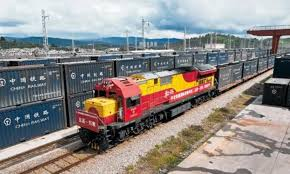
The China Laos railway represents a major milestone in the modernization of transportation networks across Asia. Stretching from Kunming in China's Yunnan Province to Vientiane, the capital of Laos, the railway serves as a strategic link that facilitates the movement of goods and passengers. The project has become an important component of regional connectivity initiatives, helping landlocked Laos gain greater access to international markets while supporting economic cooperation between neighboring countries.
Economic Impact of the China Laos Railway
The economic influence of the China Laos railway extends far beyond transportation. By providing a faster and more efficient route for cargo movement, the railway has significantly improved trade flows between China and Laos. Businesses can now transport agricultural products, industrial goods, electronics, and consumer items more quickly and at lower costs than traditional road transport.
For Laos, the railway has created new opportunities for economic growth by transforming the country into a regional transportation hub. Improved logistics infrastructure has attracted investment in manufacturing, warehousing, and distribution centers along the railway corridor. Local businesses have gained easier access to larger markets, enabling them to expand exports and increase competitiveness.
The railway has also stimulated job creation through construction activities, railway operations, tourism services, and supporting industries. Cities and towns located along the route have experienced increased commercial activity as businesses take advantage of improved connectivity. These developments contribute to long-term economic development and help strengthen regional integration within Southeast Asia.
Cross-border trade has seen substantial growth since the railway became operational. Agricultural exports from Laos, including fruits, vegetables, and other products, can reach Chinese markets more efficiently, preserving freshness and improving profitability. At the same time, Chinese goods can be transported into Laos and neighboring countries with greater speed and reliability, benefiting consumers and businesses alike.
Regional Connectivity and Transportation Development
The China Laos railway has transformed transportation across the region by introducing a modern rail system capable of supporting both passenger and freight services. Before the railway's construction, transportation between many areas relied heavily on roads, which often involved longer travel times and higher logistics expenses. The railway provides a more efficient alternative that supports sustainable transportation development.
Passenger services have significantly reduced travel times between major cities. Travelers can now move more conveniently between Kunming and Vientiane, encouraging business travel, cultural exchanges, and tourism. Improved accessibility has strengthened people-to-people connections and contributed to greater regional cooperation.
The railway is also viewed as an important step toward broader Southeast Asian rail connectivity. Many experts see the route as a foundation for future railway networks that could eventually connect multiple countries across the region. Such integration would facilitate trade, tourism, and economic collaboration on a larger scale, creating new opportunities for regional growth.
Modern railway infrastructure supports greater transportation efficiency by offering reliable scheduling, higher cargo capacity, and reduced environmental impact compared to many traditional transportation methods. These advantages make rail transport increasingly attractive for businesses seeking cost-effective logistics solutions.
Tourism Growth and Future Opportunities
Tourism has become one of the major beneficiaries of the China Laos railway. Easier transportation access has encouraged more visitors to explore destinations in both countries. Travelers can enjoy faster and more comfortable journeys while discovering cultural attractions, natural landscapes, and historical sites along the railway route.
Laos, known for its rich cultural heritage and scenic beauty, has experienced increased visibility among international tourists. Improved transportation infrastructure makes it easier for visitors to reach destinations that were previously less accessible. Hotels, restaurants, local tour operators, and related businesses have benefited from growing tourism activity, creating additional economic opportunities for local communities.
The future potential of the China Laos railway remains substantial. Continued growth in trade volumes, passenger traffic, and investment activity is expected to strengthen the railway's role as a key transportation corridor in Asia. As supporting infrastructure continues to develop, businesses and communities along the route may experience further economic benefits.
In addition to trade and tourism, the railway contributes to broader goals of regional cooperation and sustainable development. Enhanced connectivity can support educational exchanges, cultural interaction, and business partnerships while fostering closer relationships among neighboring countries. These benefits extend beyond economic gains and contribute to long-term regional stability and prosperity.
Conclusion
The China Laos railway stands as a transformative infrastructure project that has reshaped transportation, trade, and economic development across the region. By connecting Kunming and Vientiane through a modern railway network, the project has improved logistics efficiency, strengthened cross-border commerce, and expanded tourism opportunities. Its impact continues to be felt through increased investment, enhanced regional connectivity, and stronger economic cooperation between China and Laos. As trade networks expand and transportation demand grows, the China Laos railway is expected to remain a vital driver of regional integration and sustainable development in Southeast Asia for years to come.
43.242.176.87
shell
ผู้เยี่ยมชม
benducket3211@gmail.com